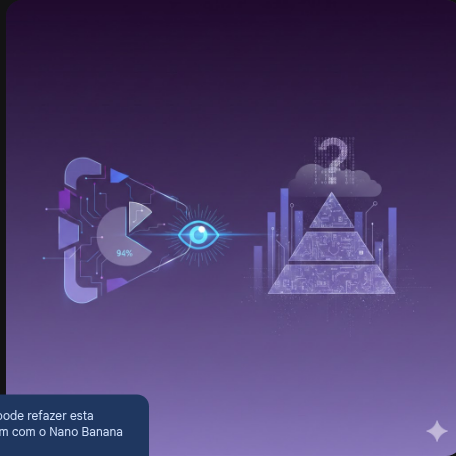
AI Video Analytics: Why Brands Are Missing 94% of Their Best Leads
You've invested in AI video analytics. You track views, watch time, click-through rates, demographics, and engagement metrics. Your dashboard shows thousands of data points. But here's the uncomfortable truth: while you're analyzing view duration, your competitors are closing deals in your comment sections.
Traditional AI video analytics tools tell you what happened in your videos. They don't tell you who is ready to buy, where they're asking for recommendations, or when they're comparing you to competitors. The result? 94% of high-intent conversations happen in a blind spot your analytics can't see.
The $47 Billion Blind Spot in Video Analytics
Most AI video analytics platforms focus on the same metrics:
- View count and watch time
- Audience retention graphs
- Traffic sources and demographics
- Thumbnail performance
- Click-through rates
These metrics answer strategic questions about content performance. But they completely miss the tactical opportunity hidden in plain sight.
According to a 2025 study by Social Media Today, 87% of purchase decisions on YouTube are influenced by comment discussions, not the video content itself. Yet the average brand spends $0 monitoring these conversations while investing thousands in analytics dashboards that can't detect buying intent.
Consider this scenario: A tech reviewer posts a video comparing project management tools. Your analytics show 50,000 views and strong retention. What they don't show:
- 312 comments asking "which tool is best for remote teams?"
- 89 mentions of your competitor's name in recommendations
- 47 comments from users frustrated with their current solution
- 23 direct questions about pricing and features
These aren't just comments. They're qualified leads actively researching solutions. But traditional AI video analytics categorize them as generic "engagement" without surfacing the intent behind them.
Why Traditional Video Analytics Miss the Conversation Layer
The problem isn't that AI video analytics are bad—it's that they were designed for a different purpose. Most platforms evolved from broadcast media analytics, where content performance was the only measurable variable. Comments were an afterthought, a vanity metric like "likes."
Here's what happens in the typical analytics workflow:
What Gets Measured:
- A video gets 100,000 views
- Average view duration: 4:32
- 3,500 engagements (likes, shares, comments)
- CTR: 8.2%
- Audience: 65% male, 25-34 age range
What Gets Ignored:
- Which comments contain buyer keywords ("looking for," "need," "alternatives")
- Who is comparing your brand to competitors
- When prospects are asking for recommendations
- Where the highest-intent conversations are happening
- Which videos attract ready-to-buy audiences
This gap exists because traditional analytics treat comments as qualitative data—too messy and unstructured to analyze at scale. They're right that manual comment monitoring doesn't scale. But they're wrong that comments can't be analyzed.
The Intent Detection Gap
Consider these three comments on a SaaS comparison video:
- "Great video! Really helpful."
- "I've been using [Competitor] for 2 years and it's terrible for team collaboration."
- "Does anyone know if [Your Brand] integrates with Slack? Need to switch from our current tool ASAP."
Traditional analytics count all three equally as "engagement." In reality:
- Comment #1 is generic feedback (low value)
- Comment #2 is a dissatisfied competitor customer (high value, reachable)
- Comment #3 is an active buyer with specific needs (highest value, immediate opportunity)
The difference in conversion potential between these three comments is enormous. But your analytics dashboard shows them as three identical data points.
The New Model: Conversation Intelligence, Not Just Content Intelligence
The next generation of video analytics isn't about better view metrics—it's about understanding the conversations your videos trigger.
Smart brands in 2026 are adopting a two-layer analytics approach:
Layer 1: Content Performance (Traditional)
- Which videos get views
- What keeps people watching
- How thumbnails and titles perform
- Audience demographics and behavior
Layer 2: Conversation Intelligence (New)
- Which videos attract high-intent commenters
- Where prospects are asking for recommendations
- When competitors are being mentioned (positively or negatively)
- Who is expressing frustration with current solutions
- What specific objections or questions keep appearing
This shift changes everything. Instead of asking "Which video got the most views?" you ask "Which video generated the most qualified leads?"
Real-World Example: SaaS Brand Discovers Hidden Lead Source
A B2B SaaS company was using traditional analytics to track their YouTube channel. Their top-performing video by views was a general "What is [Product Category]" explainer with 200,000 views.
When they implemented conversation intelligence analytics, they discovered something surprising:
A smaller video with only 15,000 views—a competitor comparison—generated:
- 78 high-intent comments with buying keywords
- 34 mentions of competitor frustrations
- 19 direct questions about their product
- 12 comments asking for pricing information
The explainer video had 13x more views but generated only 23 high-intent comments. The ROI per view was 18x higher on the comparison video.
Without conversation intelligence, they were optimizing for the wrong metric. Views looked impressive, but leads came from a completely different source.
How to Implement Conversation-First Video Analytics
Shifting to conversation intelligence doesn't mean abandoning traditional metrics. It means adding a critical layer your competitors are missing.
Step 1: Identify Your High-Intent Keywords
Start by listing the phrases that indicate buying intent in your industry:
Generic Intent Signals:
- "looking for"
- "need a"
- "alternatives to"
- "recommend"
- "which is better"
- "switching from"
Industry-Specific Signals:
- For SaaS: "integrations," "pricing," "trial," "migration"
- For eCommerce: "where to buy," "in stock," "shipping," "discount code"
- For Services: "taking clients," "availability," "cost," "consultation"
These keywords separate tire-kickers from prospects. Traditional analytics can't filter for them. Conversation intelligence can.
Step 2: Monitor Competitor Mentions
Your analytics should answer: "Where are people talking about our competitors?"
This includes:
- Direct competitor name mentions
- Complaints about competitor products
- Questions about switching from competitors
- Comparisons between your brand and alternatives
When someone comments "I've been using [Competitor] but their customer support is awful," that's not generic engagement. That's a warm lead with a specific pain point.
Step 3: Track Conversation Velocity
Not all comments are created equal in timing. A question asked 2 hours ago is worth 10x more than one asked 2 months ago.
Conversation-first analytics should prioritize:
- Recency: Comments from the last 24-48 hours
- Response rate: Videos where your team can still join active discussions
- Thread depth: Conversations with multiple replies (higher engagement = higher intent)
Step 4: Measure Lead Quality, Not Just Quantity
Traditional metrics celebrate volume: "10,000 comments!" But volume without intent is noise.
Instead, track:
- High-Intent Comment Rate: Percentage of comments containing buyer keywords
- Competitor Mention Ratio: How often competitors appear in your video comments
- Response Opportunity Window: How long conversations stay active
- Conversion Rate per Video: Which videos lead to demos, trials, or sales
A video with 100 comments and 40 high-intent signals outperforms one with 1,000 comments and 15 signals.
How AI-Powered Comment Intelligence Works
Manually reading every comment doesn't scale. That's where modern AI comes in—not to analyze video content, but to analyze conversation content.
Here's how intelligent systems approach comment analytics:
Natural Language Processing for Intent
Advanced NLP models can detect:
- Sentiment analysis: Is the commenter frustrated, curious, or satisfied?
- Entity recognition: Which brands, products, or features are mentioned?
- Intent classification: Is this a question, complaint, recommendation request, or comparison?
- Urgency detection: Phrases like "ASAP," "urgent," "need immediately" indicate hot leads
Pattern Recognition Across Channels
AI can identify patterns humans miss:
- Which video topics consistently attract high-intent audiences
- What time of day produces the most qualified comments
- Which influencers or channels drive the best lead quality
- How conversation topics evolve over a video's lifecycle
Real-Time Alerting
The difference between responding in 2 hours vs. 2 days is often the difference between winning and losing a sale. AI-powered systems can:
- Alert teams when high-intent comments appear
- Prioritize responses based on lead quality
- Surface competitor mentions immediately
- Flag urgent language or specific product questions
The Liftlio Approach: Analytics That Find Buyers, Not Just Viewers
This is where platforms like Liftlio come in. While traditional analytics tell you how your videos performed, Liftlio tells you where your next customers are.
Here's the difference:
Traditional AI Video Analytics:
- "Your video got 50,000 views with 8% CTR"
- "Average watch time: 5:32"
- "1,200 total engagements"
Conversation Intelligence (Liftlio):
- "47 high-intent comments detected in videos about [your category]"
- "12 prospects mentioned they're switching from [Competitor]"
- "3 comments in the last 2 hours asking for product recommendations"
- "89% of high-intent conversations happen in the first 48 hours"
Liftlio monitors YouTube comments at scale, uses AI to detect buying intent, and surfaces opportunities while they're still active. It's not about tracking what happened—it's about finding who's ready to buy right now.
The platform bridges the gap between content analytics (what performed) and conversation analytics (who to reach out to). For brands doing YouTube marketing, this shifts the entire ROI equation.
The ROI Shift: From Cost-Per-View to Cost-Per-Lead
When you add conversation intelligence to traditional analytics, your success metrics change:
Old Model:
- Cost per 1,000 views: $8
- Total views: 500,000
- Total spend: $4,000
- Leads generated: Unknown
New Model:
- Cost per 1,000 views: $8
- Total views: 500,000
- High-intent comments: 380
- Comments engaged: 280
- Conversations started: 127
- Qualified leads: 43
- Cost per qualified lead: $93
Suddenly, YouTube isn't just a brand awareness channel. It's a lead generation machine.
Compare that $93 cost-per-lead to:
- Google Ads (B2B SaaS average): $280
- LinkedIn Ads: $450
- Industry events: $800+
YouTube comment marketing becomes one of your most efficient channels—but only if your analytics can surface the opportunities.
Common Mistakes Brands Make with Video Analytics
Mistake #1: Optimizing for Vanity Metrics
"Our video hit 1 million views!" is impressive. But if those million viewers didn't include your target buyers, the view count is meaningless.
Focus on qualified view metrics: views from your target audience, in contexts where they're evaluating solutions.
Mistake #2: Ignoring Competitor Video Comments
Your analytics should track comments on competitor videos, not just your own. When someone asks "What's better than [Competitor]?" on a rival's video, that's a warm lead.
Most brands never monitor outside their own channel. That's a massive missed opportunity.
Mistake #3: Responding Too Late
Your analytics might show a high-intent comment from 3 weeks ago. By the time you respond, they've already chosen a solution.
Conversation intelligence needs to be real-time or near-real-time. The first brand to respond often wins.
Mistake #4: Treating All Engagement Equally
A heart emoji and a detailed question about integration capabilities are both "engagement." But one is worth $0 and the other might be worth $5,000 in ARR.
Your analytics should weight engagement by intent, not just count it.
The Future of Video Analytics: Conversations at Scale
By 2027, the most successful YouTube marketers won't be the ones with the best production budgets. They'll be the ones with the best conversation intelligence.
We're already seeing this shift:
- Brands hiring "comment engagement specialists"
- Marketing teams tracking "comment-to-lead" conversion rates
- AI tools purpose-built for conversation monitoring
- YouTube becoming a direct sales channel, not just awareness
The brands winning this shift are those who recognize that video analytics and conversation analytics are two different disciplines. You need both.
Traditional analytics optimize content. Conversation intelligence finds customers.
FAQ
Q: Can't I just use YouTube Studio's built-in analytics for comments?
YouTube Studio shows you comment volume and basic engagement metrics, but it doesn't analyze intent, detect buying signals, or monitor competitor mentions. It's designed for content creators, not marketers looking for leads. You'd need to manually read every comment to find high-intent prospects—which doesn't scale beyond a few dozen videos.
Q: Is monitoring comments on competitor videos ethical?
Yes—these are public conversations. If someone asks "What's a good alternative to [Product]?" in a public comment section, answering that question helpfully is ethical marketing. What's not ethical is spamming, being dishonest, or attacking competitors. The key is providing genuine value when people are actively asking for recommendations.
Q: How is this different from social listening tools?
Traditional social listening tools monitor brand mentions across platforms but aren't optimized for YouTube's unique comment structure or the specific intent signals that appear in video discussions. They also tend to generate massive amounts of noise. Conversation intelligence tools purpose-built for YouTube filter for buying intent specifically, reducing noise and surfacing actionable leads.
Q: Won't AI-detected intent have false positives?
Yes, no system is 100% accurate. But the alternative—manually reviewing thousands of comments or ignoring them entirely—is far worse. Modern NLP models achieve 85-92% accuracy in intent classification. Even with false positives, you're surfacing 10x more opportunities than manual monitoring could ever find.
Q: What if we don't have a YouTube channel?
That's actually when conversation intelligence is most valuable. You don't need your own videos to benefit—you monitor conversations happening on industry videos, competitor channels, review content, and tutorial videos where your target audience is active. Some of the best leads come from discussions you're not even part of yet.
Start Finding the Leads Your Analytics Can't See
Traditional AI video analytics have their place. They tell you what content works. But they can't tell you who's ready to buy.
The brands winning on YouTube in 2026 aren't just tracking views—they're tracking conversations. They're finding prospects in real-time, joining discussions where buying decisions happen, and converting comments into customers.
While your competitors celebrate vanity metrics, you can be closing deals in the comment sections they're ignoring.
Start monitoring YouTube conversations →